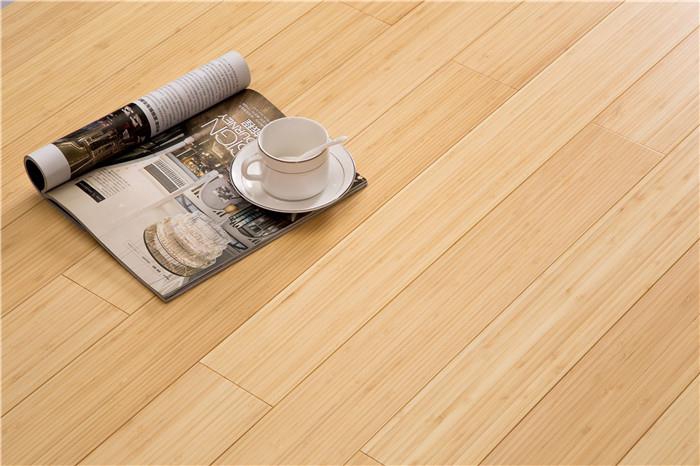
Click lock bamboo flooring has become a popular option for homeowners seeking a sturdy, stylish, and sustainable surface that is easy to install. Its floating installation system and modern locking mechanisms make it appealing for both DIY enthusiasts and professionals. Alongside its aesthetic and environmental benefits, one question regularly arises: Are click lock bamboo floors truly waterproof?
The answer isn’t as simple as a yes or no. While bamboo flooring offers impressive durability and can handle daily wear with ease, it is still a natural material with characteristics that influence how it reacts to moisture. Understanding these traits, along with the engineering behind click lock systems, helps determine where bamboo floors perform best and how they should be used in moisture‑prone areas.
Understanding Bamboo’s Relationship With Moisture
Bamboo is a fast‑growing grass rather than a tree, yet it behaves similarly to hardwood when it comes to moisture. It expands when exposed to water and contracts as it dries. While strand‑woven bamboo is denser and more stable than many traditional wood species, it cannot be considered fully waterproof.
Its structure allows it to withstand moderate humidity changes, making it well suited for living rooms, bedrooms, hallways, and other dry areas. However, like any natural material, standing water, excessive humidity, or long‑term moisture exposure can eventually cause warping, swelling, or surface issues.
This doesn’t mean that bamboo is fragile—far from it. Strand‑woven varieties, in particular, can outperform many hardwoods in terms of hardness and dimensional stability. But the key is distinguishing between water‑resistant and waterproof, as these terms are often misunderstood.
Water‑Resistant vs. Waterproof: What’s the Difference?
To understand the performance of click lock bamboo floors, it helps to break down two commonly used terms:
• Water‑resistant flooring can handle small spills, damp mopping, and brief exposure to moisture without taking damage, provided the water is cleaned promptly.
• Waterproof flooring can withstand significant water exposure—even standing water—for extended periods without swelling, warping, or structural damage.
Most click lock bamboo flooring falls into the water‑resistant category rather than waterproof. The locking system prevents water from easily seeping between planks, and protective finishes add an additional layer of defense. Yet the core material is still bamboo, which absorbs moisture if exposed for too long.
How Click Lock Construction Helps With Moisture Resistance
Although the bamboo itself isn’t waterproof, the design of click lock flooring enhances its moisture performance in several ways.
Tight locking joints
The interlocking tongue‑and‑groove edges create a snug fit between planks. When properly installed, these joints slow down moisture penetration, giving homeowners extra time to clean spills before damage occurs.
Floating installation
Click lock bamboo doesn’t require glue or nails. By floating over an underlayment, the flooring can expand and contract more freely with humidity changes, reducing stress on the planks.
Factory‑applied finishes
Many bamboo floors come prefinished with multiple layers of durable coatings. These protective layers improve resistance to spills and everyday moisture exposure, especially when compared with unfinished wood.
Underlayment with vapor barriers
Installing a high‑quality underlayment with a moisture barrier helps protect the flooring from moisture rising from below, particularly on concrete slabs or above crawlspaces.
These features make click lock bamboo suitable for a wide range of residential installations, provided the environment is controlled and spills are cleaned promptly.
Where Click Lock Bamboo Performs Well
Understanding which environments naturally support bamboo flooring helps prevent moisture‑related problems. Ideal locations include:
• Living rooms
• Bedrooms
• Dining rooms
• Home offices
• Low‑moisture basements with proper vapor barriers
• Hallways
These areas experience moderate traffic and typically maintain stable humidity levels, making them well suited for bamboo.
Areas Where Caution Is Needed
While click lock bamboo flooring can handle small spills and routine cleaning, it isn’t designed for spaces with heavy moisture exposure. Certain rooms pose higher risks that need thoughtful consideration:
Bathrooms
Bathrooms expose flooring to frequent moisture, steam, and occasional standing water. Even with a tight locking system, the risk of moisture seeping into seams or underneath planks is high. Bamboo floors may swell or warp over time if installed in full bathrooms.
Laundry rooms
Water line leaks, overflowing machines, or condensation can cause unexpected moisture events. Unless extra protective measures are put in place, bamboo may not withstand these conditions reliably.
Kitchens
Kitchens are less extreme than bathrooms, yet they still present moisture risks from spills, dishwashers, and sinks. Many homeowners successfully install click lock bamboo in kitchens, but this requires vigilance and moisture‑aware habits—prompt cleanup, floor mats near appliances, and regular maintenance of kitchen plumbing.
Uncontrolled basements or crawlspaces
Bamboo floors installed over concrete or above crawlspaces must be paired with effective moisture control. High humidity levels or vapor transmission can create swelling or cupping issues over time.
How Manufacturers Describe Their Products
Some bamboo flooring brands refer to certain lines as “waterproof,” particularly when the planks use a specialized core material or enhanced locking system. These products may offer improved moisture performance compared with traditional bamboo, especially when engineered with PVC or composite cores. However, pure bamboo click lock flooring cannot be fully waterproof in the same way as vinyl or tile.
Careful reading of manufacturer specifications helps clarify:
• Whether the product is water‑resistant or waterproof
• Recommended installation areas
• Required underlayment
• Warranty limitations related to moisture exposure
Understanding these details prevents misinterpretation and ensures the flooring is used appropriately.
Maintenance Habits That Protect Bamboo Floors
Proper care plays a major role in how bamboo floors perform when exposed to moisture. Several simple habits help extend their lifespan:
• Wipe spills promptly rather than letting them sit.
• Use a slightly damp mop instead of excessive water during cleaning.
• Place absorbent mats near sinks and entryways.
• Avoid steam mops, which can force moisture into the planks.
• Maintain stable indoor humidity levels year‑round.
These practices support bamboo's natural stability and help prevent unnecessary moisture‑related wear.
Installation Practices That Improve Moisture Resistance
A high‑quality installation can significantly influence how well click lock bamboo flooring handles moisture. Experienced installers focus on several key factors:
Acclimation
Allowing the planks to adjust to the home’s humidity and temperature reduces the risk of expansion and contraction after installation.
Underlayment
Choosing underlayment with a vapor barrier is essential for installations on concrete. On wood subfloors, standard foam, felt, or cork may be suitable, but in moisture‑prone climates, a vapor film adds peace of mind.
Expansion gaps
Leaving appropriate gaps around the room’s perimeter allows the flooring to expand naturally. Without these gaps, moisture‑related swelling can push planks together, creating buckling or lifting.
Sealing transitions
Using silicone sealant in high‑risk zones—such as around dishwashers or sinks—helps prevent water from reaching the subfloor.
Small details in installation can make a noticeable difference in moisture performance.
Comparing Bamboo to Other Moisture‑Resistant Options
It helps to put bamboo’s moisture behavior into perspective by comparing it to other flooring types.
Vinyl plank
Vinyl plank flooring—particularly SPC or WPC varieties—is fully waterproof. It will not swell or warp when exposed to water. This makes it ideal for bathrooms, basements, and kitchens.
Laminate flooring
Many modern laminates offer water resistance but not full waterproof protection. Bamboo’s moisture tolerance is often comparable to high‑quality water‑resistant laminate.
Tile
Porcelain and ceramic tile are considered waterproof when properly installed with a sealed grout system. Bamboo cannot match tile’s performance in wet environments.
Engineered hardwood
Engineered hardwood behaves similarly to bamboo, offering decent moisture resistance but still requiring care and controlled environments.
By comparison, click lock bamboo sits firmly in the water‑resistant category.
When Click Lock Bamboo Can Be Used in Higher‑Moisture Areas
Although bamboo is not recommended for high‑moisture rooms, some installations succeed in more challenging environments due to careful planning.
With a moisture mitigation system
For concrete slabs with high vapor emission, applying a moisture‑blocking epoxy or sealant before installation can significantly reduce risk.
With enhanced sealing
Using silicone or water‑resistant sealants around room perimeters, doorways, and appliance areas helps prevent moisture intrusion.
With climate control
Homes with reliable heating, cooling, and humidity systems help minimize seasonal expansion or contraction.
These additional steps do not make bamboo waterproof, but they help reduce moisture‑related complications.
When used in appropriate spaces and maintained well, click lock bamboo floors can offer long‑lasting performance. Strand‑woven varieties are especially resistant to dents and everyday wear, contributing to a long service life. Minor surface scratches can be minimized with furniture pads and routine cleaning.
Homeowners often report decades of use with minimal issues when care instructions are followed and moisture exposure is controlled. The combination of durable construction and careful maintenance supports longevity, making bamboo an attractive option for many households.
A Practical Perspective on Waterproof Claims
Click lock bamboo floors provide strong water resistance but should not be relied upon as a waterproof solution. While the locking system and protective finishes help prevent moisture intrusion, bamboo itself remains a natural material susceptible to water absorption.
This doesn’t diminish its value as a flooring option. Instead, it highlights the importance of matching the right material to the right environment. When used in dry or moderately humid rooms, click lock bamboo performs exceptionally well and offers a warm, natural appearance that enhances interior design.
For homeowners who want guidance on where bamboo flooring would be most effective or how to protect it from moisture in specific rooms, feel free to ask.
